Female Rhinoplasty usually aims for a slightly narrower nose, a softer bridge, and a more defined, gently lifted tip. Male Rhinoplasty keeps a stronger, straighter bridge and avoids over-rotating the tip, which can make the nose look feminine. Men also tend to have thicker nasal skin, which changes how the tip is shaped.


A Structural Approach to Deep Plane Facelift and Neck Lift
Facial aging goes deeper than the skin. Volume loss and weakening ligaments create jowls, a softer jawline, and heaviness through the lower face and neck.
Dr. Patel’s Deep Plane Facelift repositions the deeper tissues of the face, and his Neck Lift, which can include corset platysmaplasty, restores a clean, defined jawline and neck. The goal is an unoperated look, rested and refreshed, never pulled or tight.


Rhinoplasty for a Refined, Natural Result That Fits Your Face
Performed by Dr. Parit A. Patel, a board-certified plastic surgeon and member of The Rhinoplasty Society, with craniofacial fellowship training at NYU Langone
- 737 N Michigan Ave, Suite 1820, Chicago, IL 60611


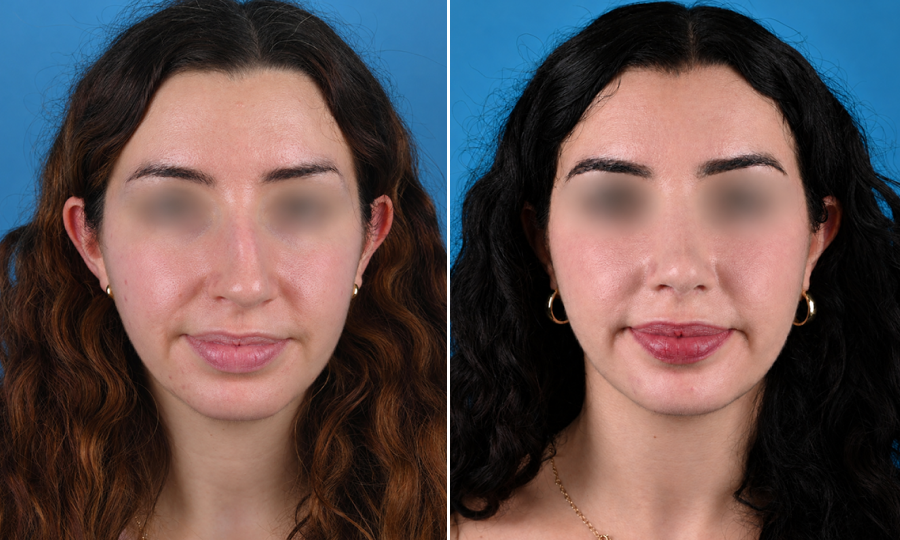
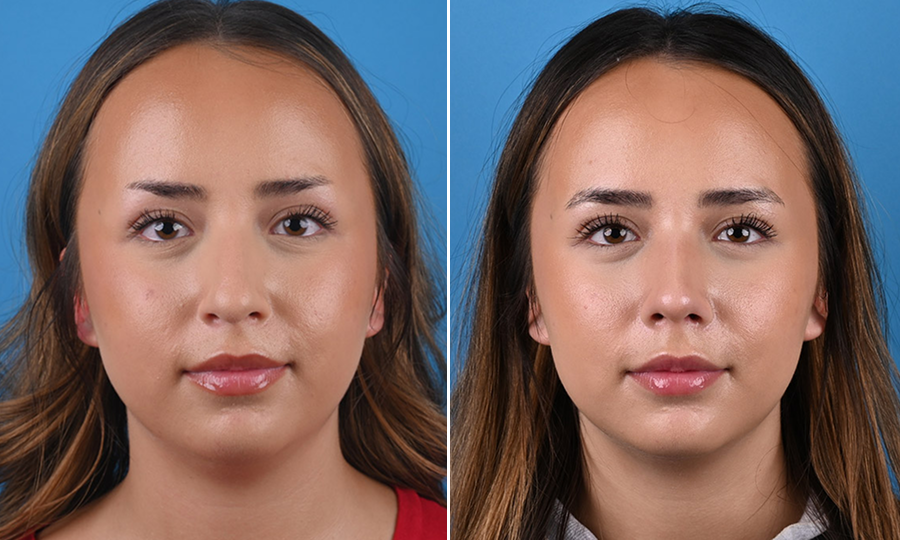
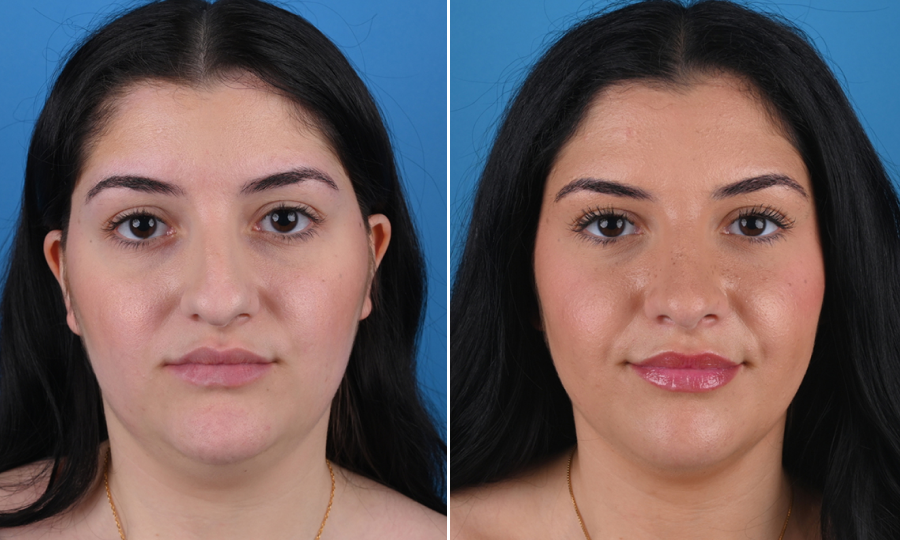
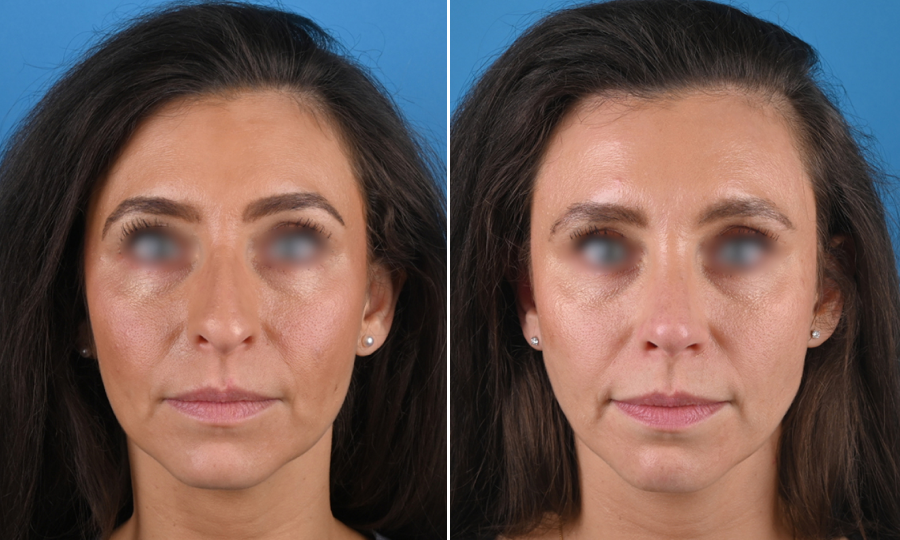
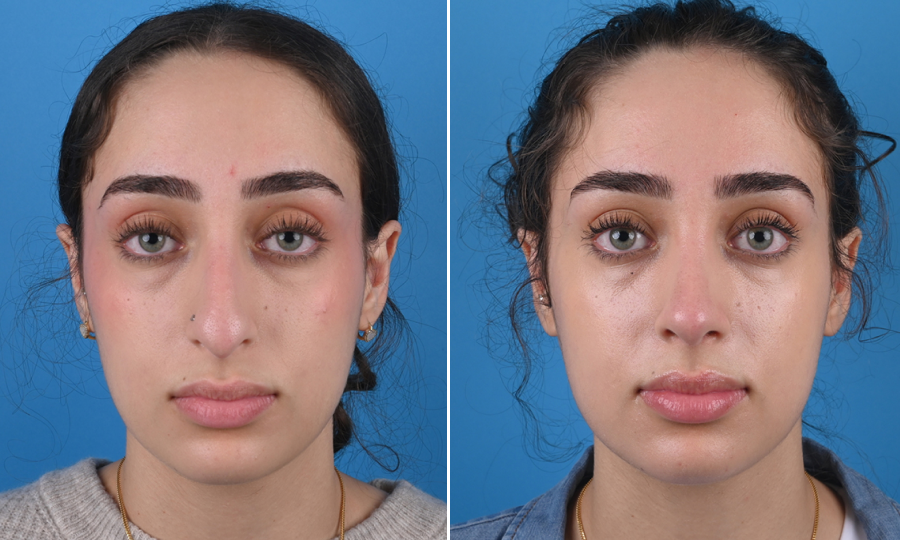
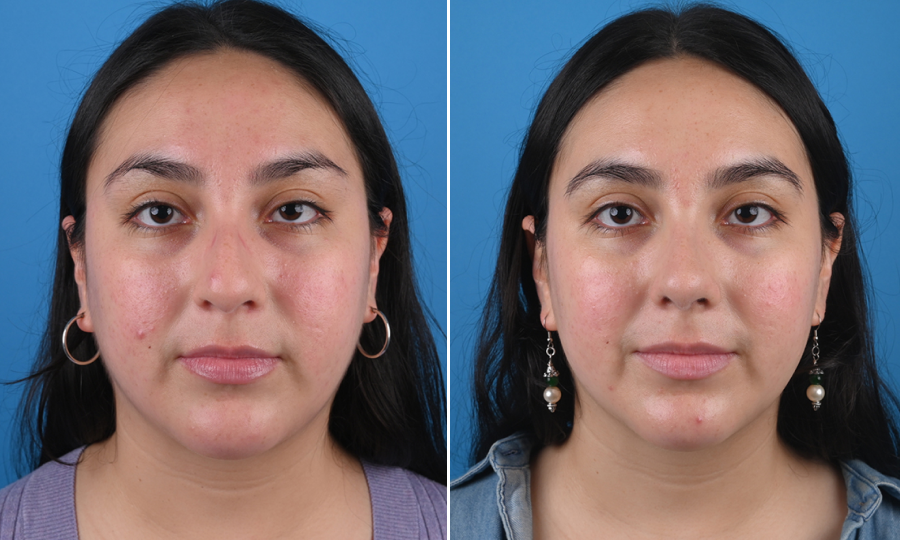
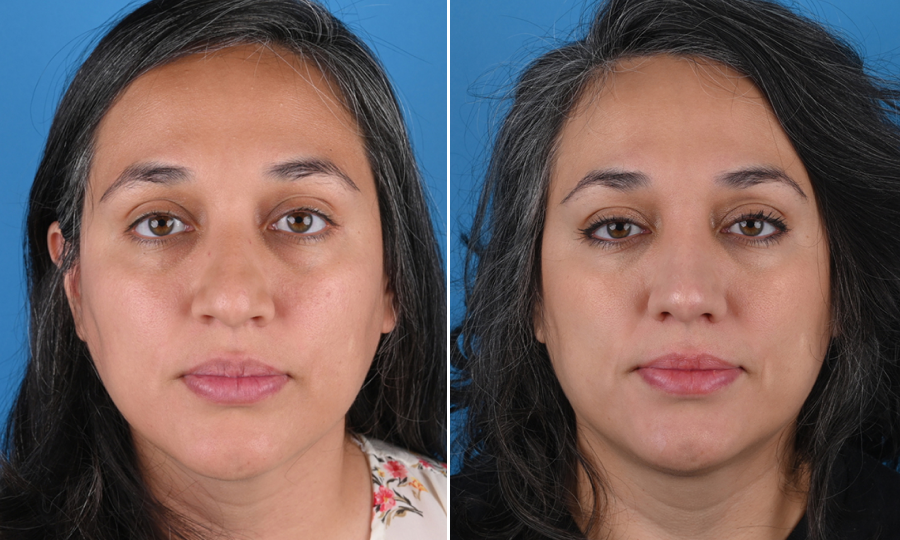
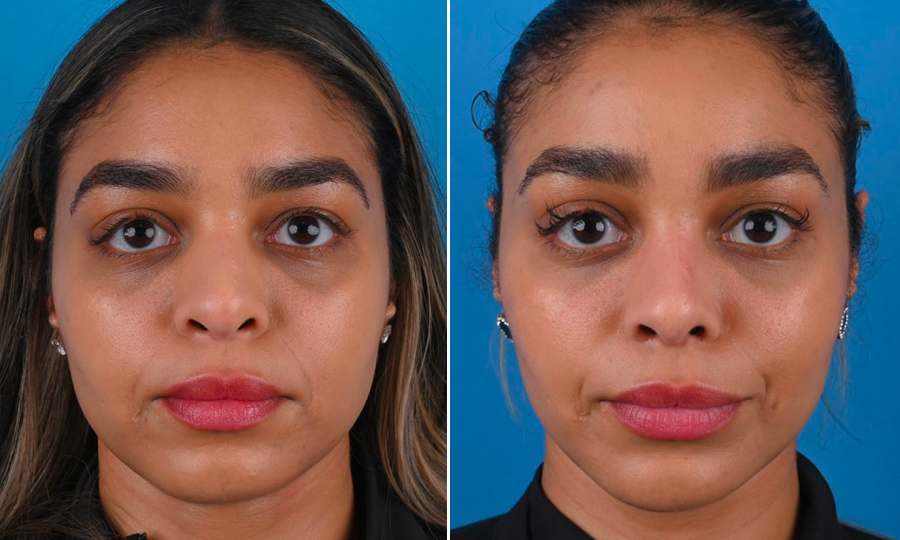
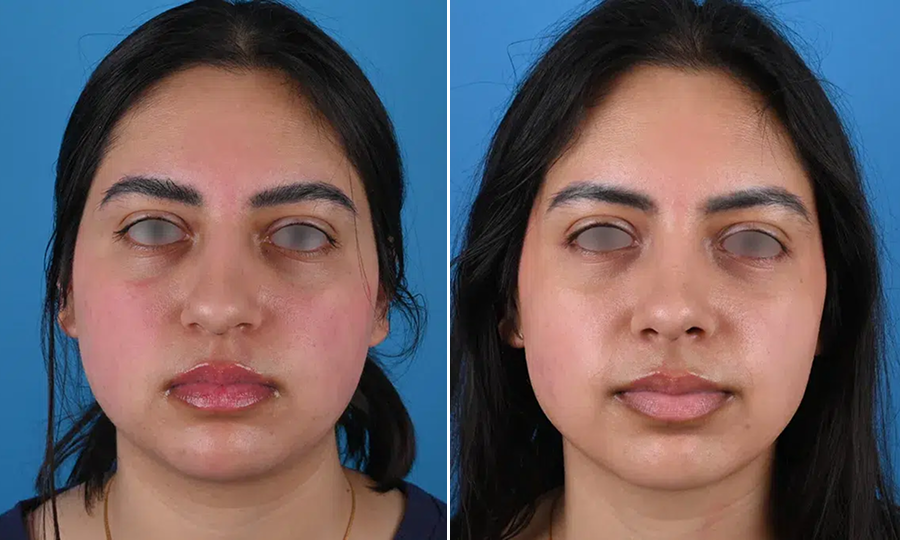
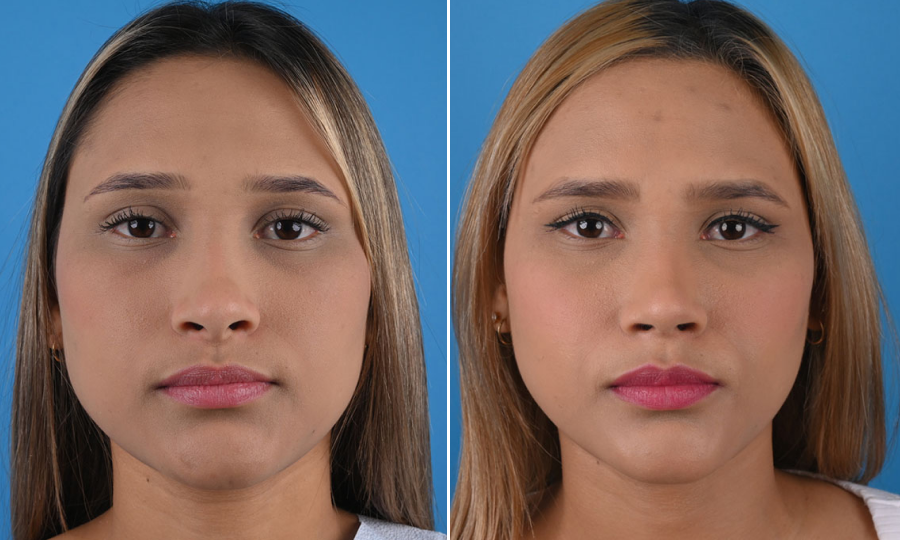
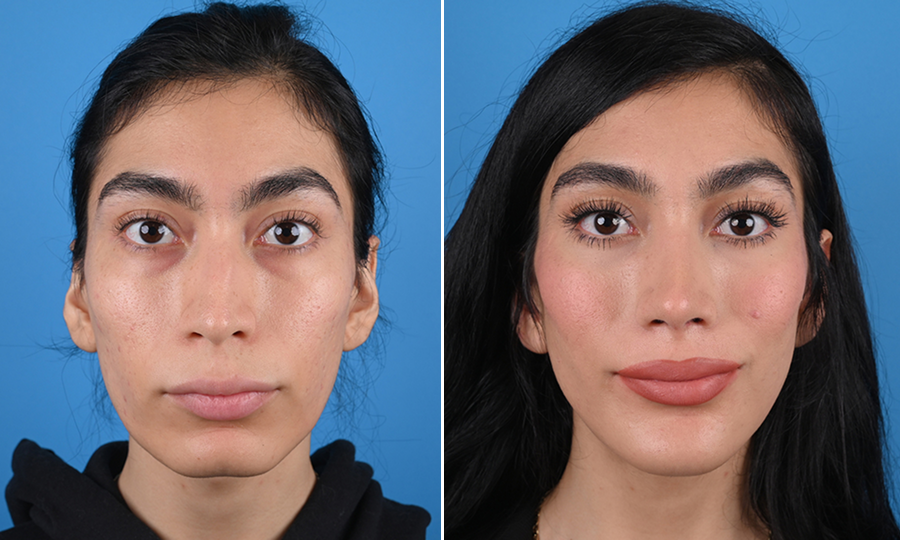
Primary and Revision Rhinoplasty
Every nose is different, and so is the face around it. Dr. Patel plans each Rhinoplasty around your facial proportions, skin thickness, and goals, so the result looks balanced and natural.
Primary Rhinoplasty is for those who have never had nose surgery. Using an open or closed approach, he can reduce a dorsal hump, straighten the nose, and refine or lift the tip, and correct a deviated septum in the same surgery when breathing is a concern.
Revision Rhinoplasty is for those who had surgery at another practice and are still unhappy with the shape or their breathing. It addresses scar tissue and altered anatomy, may use cartilage grafts from the ear or rib to rebuild support, and calls for the detailed structural planning his craniofacial training brings.
A Structural Approach to Deep Plane Facelift and Neck Lift
Facial aging goes deeper than the skin. Volume loss and weakening ligaments create jowls, a softer jawline, and heaviness through the lower face and neck.
Dr. Patel’s Deep Plane Facelift repositions the deeper tissues of the face, and his Neck Lift, which can include corset platysmaplasty, restores a clean, defined jawline and neck. The goal is an unoperated look, rested and refreshed, never pulled or tight.
Meet Parit A. Patel, MD, MBA, FACS
Dr. Parit A. Patel is a board-certified plastic surgeon and the founder of Plastic Surgery Clinic of Chicago, where Rhinoplasty is one of the core procedures of his practice. His nose work combines meticulous technique with a refined aesthetic eye.
He is an active member of The Rhinoplasty Society, a professional organization dedicated to the advancement of Rhinoplasty, and a member of the American Society of Plastic Surgeons.
After his residency at the University of Cincinnati and Cincinnati Children’s Hospital, he completed a craniofacial surgery fellowship at NYU Langone, training centered on the bone, cartilage, and soft tissue of the face. That foundation guides how he approaches every nose, from primary and ethnic Rhinoplasty to revisions.
With more than a decade of experience since his fellowship, he focuses on refinement and restraint, so the new nose fits the face and still looks like you.


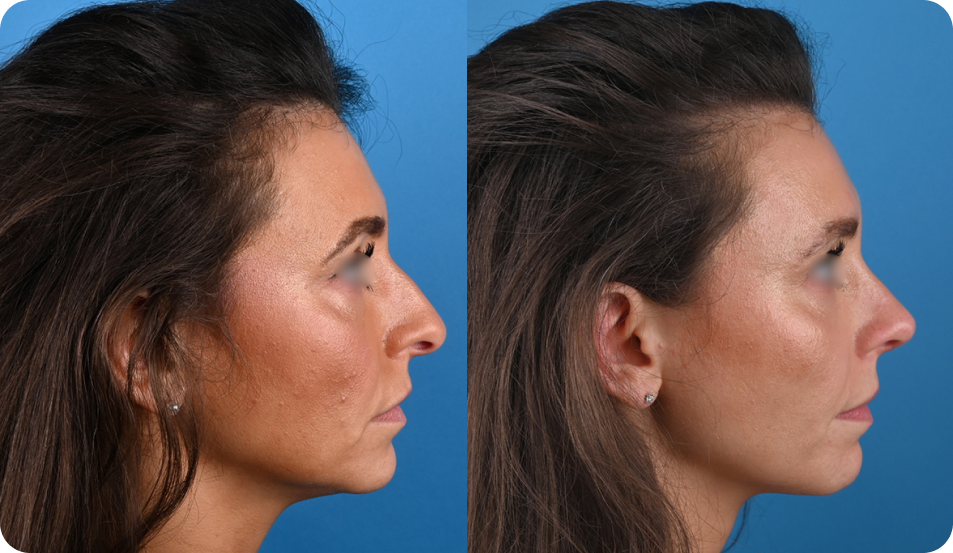
What to Expect from Your Rhinoplasty
Rhinoplasty is an outpatient procedure under general anesthesia. In a closed approach, incisions are hidden inside the nostrils. In an open approach, a small incision is placed on the strip of skin between the nostrils.
Each plan is tailored to your anatomy and goals, and Rhinoplasty can be combined with Septoplasty to improve breathing or with Genioplasty for better facial balance.
A Precise Fit With Real Ear Measurement
Selecting the right hearing aid is only part of the process. How it is fitted and programmed also matters.
Dr. Naizam uses Real Ear Measurement to measure how sound is actually reaching your ear while you wear the device.
These measurements help verify the fitting and guide more precise adjustments for you.
What Rhinoplasty Can Improve
- A dorsal hump on the bridge
- A crooked or deviated nose
- A bulbous, droopy, or undefined tip
- A nose that feels too long or too large for the face
- Breathing problems caused by a deviated septum
- Results from a previous nose surgery
Schedule Your Private Consultation
Dr. Patel offers private, paid consultations. Each one is a dedicated one-on-one visit to discuss your goals, evaluate your facial anatomy, and design a plan that is right for you.
Our Location
Parit A. Patel, MD, MBA, FACS
-
Plastic Surgery Clinic of Chicago
737 North Michigan Avenue, Suite 1820 - Chicago, IL 60611
- Phone: (312) 819-5338
- Phoenix Office
- 7010 E. Chauncey Lane, Suite 120 - Phoenix, AZ 85054
- Phone: (480) 462-2716
Frequently Asked Questions
Good candidates are in good overall health, are non-smokers, have finished facial growth, and have clear, realistic goals. Candidacy is confirmed during your consultation.
Yes. When a deviated septum or another internal issue limits airflow, it can be corrected during the same surgery, improving both appearance and breathing.
The splint usually comes off after one to two weeks, and most patients return to work and social plans within about ten days. Strenuous exercise waits three to four weeks. The nose looks settled to most people by three months, while the tip continues to refine for up to a year.
If you are unhappy with the appearance or breathing after a previous surgery, Revision Rhinoplasty can help. It is usually best to wait about 12 months after the first surgery so swelling fully settles, unless breathing problems need earlier attention.
Parit A. Patel, MD, MBA, FACS
By using this website, you automatically agree to our use of cookies. © 2026 All rights reserved. The IVES Company.